VOCABULARY / ENTRY
False Urgency
false-urgency
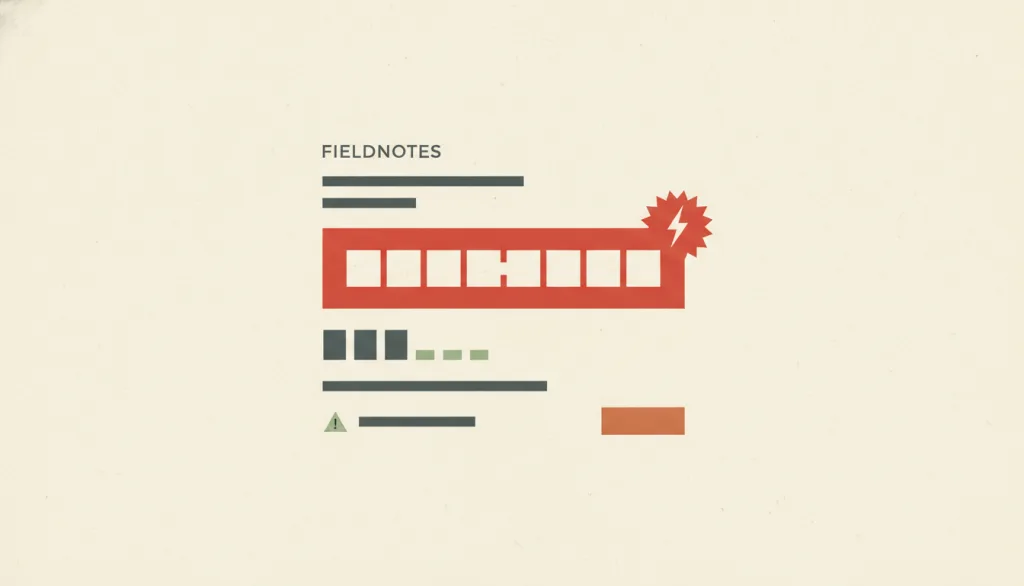
Present people with a time limit that does not really exist (a countdown that resets when it hits zero, an “offer ends soon” with no actual deadline), pressing them to rush through an action.
Recognizing it
- The countdown resets automatically after reaching zero, or restarts on every page reload
- “Limited time” or “ending soon” copy has no verifiable end date or time
- The same “limited-time” offer is always present when visited on different days
Concept boundary
Different from confirmshaming: the mechanism here is fabricated time pressure, not emotional belittling of a choice. False scarcity (fabricated limited quantity, such as a fake “only 2 left”) is a neighbouring concept not yet recorded in this vocabulary; watch for it during audits but record it separately. A genuine, accurately stated deadline, with a specific date and time that really ends the offer, is not this anti-pattern.
When to consider it
- Auditing countdown components on checkout pages, carts, and promotional banners
- Auditing “limited time” and “only a few left” copy in marketing emails, pop-ups, and pricing pages
- Auditing whether “seat held for” countdowns in booking and ticketing flows correspond to real release logic
When to be cautious
- Recommending it as a way to raise conversion or shorten decision time
- Placing a timer that matches no real deadline in the name of creating atmosphere
Tradeoff
Repair by keeping only real time information: if a deadline exists, state it with a verifiable date and time and take the offer down when it passes; if none exists, remove the timer and the urgency copy. A genuine inventory-hold countdown may be used, but reaching zero should have a real, explained consequence.
Conditional rules · Editorial advice
Related entries
Both interfere with autonomous choice, but one fabricates time pressure and the other applies emotional pressure; check them separately.
Countdowns often appear alongside late-disclosed fees in checkout flows; the mechanisms differ, so record each separately.
False urgency often appears as added pressure inside an obstructive flow; log the two issues separately.
Artificial time pressure erodes the chance to review and correct before committing.
Sources and what they support
Defines fake urgency as pressuring people to complete an action with a fake time limitation, and lists countdown timers and limited-time messages as specific techniques; the countdown in its example resets when it reaches zero.
Retrieved: 2026-09-15 · Snapshot unconfirmedThe press release for the report “Bringing Dark Patterns to Light” lists, among the tactics the report describes, countdown timers designed to make consumers believe they have limited time to buy when the offer is not actually time-limited; this entry quotes only that statement and infers nothing about the legality of specific cases.
Retrieved: 2026-09-15 · Snapshot unconfirmedA 2019 crawl of about 11K shopping websites classified 1,818 dark pattern instances into 15 types and 7 categories; the “Urgency” category contains two types, countdown timers (393 instances on 361 websites) and limited-time messages (88 instances on 84 websites). These figures are a 2019 sampled lower bound, not a current prevalence rate.
Retrieved: 2026-09-15 · Snapshot unconfirmedDefinitions reference these sources. Digital specimens, selection advice, relationships, and recipes are editorial work and have not been validated through user research.
Type extensions and implementation notes
No operable specimen exists yet; the illustration is editorial. Before applying this to a product, verify whether the timer is bound to a real back-end deadline, how it behaves at zero and after reload, whether the urgency copy is consistent when visited on different days, and the specific rules on false limited-time claims in the relevant jurisdiction.
{
  "harm": "Uses fabricated time pressure to shrink the room for careful evaluation, inducing purchases or permissions people would not otherwise grant",
  "repair": "Keep only real, verifiable deadlines and state them plainly; when there is no deadline, remove the timer and the urgency copy."
}
Full Agent entry JSON
{
  "id": "false-urgency",
  "type": "anti",
  "name": {
    "zh": "虚假紧迫感",
    "en": "False Urgency"
  },
  "aliases": [
    "虚假倒计时",
    "Fake Urgency",
    "Fake Countdown Timer"
  ],
  "granularity": "component",
  "intents": [
    "audit-choice",
    "audit-pricing"
  ],
  "tags": [
    "anti-pattern",
    "countdown",
    "limited time",
    "pressure",
    "checkout"
  ],
  "definition": "Present people with a time limit that does not really exist (a countdown that resets when it hits zero, an “offer ends soon” with no actual deadline), pressing them to rush through an action.",
  "boundary": "Different from confirmshaming: the mechanism here is fabricated time pressure, not emotional belittling of a choice. False scarcity (fabricated limited quantity, such as a fake “only 2 left”) is a neighbouring concept not yet recorded in this vocabulary; watch for it during audits but record it separately. A genuine, accurately stated deadline, with a specific date and time that really ends the offer, is not this anti-pattern.",
  "signature": [
    "The countdown resets automatically after reaching zero, or restarts on every page reload",
    "“Limited time” or “ending soon” copy has no verifiable end date or time",
    "The same “limited-time” offer is always present when visited on different days"
  ],
  "when": [
    "Auditing countdown components on checkout pages, carts, and promotional banners",
    "Auditing “limited time” and “only a few left” copy in marketing emails, pop-ups, and pricing pages",
    "Auditing whether “seat held for” countdowns in booking and ticketing flows correspond to real release logic"
  ],
  "when_not": [
    "Recommending it as a way to raise conversion or shorten decision time",
    "Placing a timer that matches no real deadline in the name of creating atmosphere"
  ],
  "tradeoff": "Repair by keeping only real time information: if a deadline exists, state it with a verifiable date and time and take the offer down when it passes; if none exists, remove the timer and the urgency copy. A genuine inventory-hold countdown may be used, but reaching zero should have a real, explained consequence.",
  "comparison": {
    "focus": "Whether the time pressure actually exists",
    "mechanism": "Fabricating or exaggerating deadlines and countdowns",
    "cost": "Under artificial anxiety, people evaluate less carefully and make purchases or grant permissions they otherwise would not"
  },
  "sources": [
    {
      "id": "deceptive-fake-urgency",
      "title": "Deceptive Patterns · Fake urgency",
      "url": "https://www.deceptive.design/types/fake-urgency",
      "claim": "Defines fake urgency as pressuring people to complete an action with a fake time limitation, and lists countdown timers and limited-time messages as specific techniques; the countdown in its example resets when it reaches zero.",
      "checkedAt": "2026-09-15",
      "archive": {
        "lookupUrl": "https://web.archive.org/web/20260915*/https://www.deceptive.design/types/fake-urgency",
        "status": "pending",
        "checkedAt": "2026-09-15T18:42:18.759Z",
        "error": "status-request-failed",
        "jobId": "spn2-617e1dbef3358302b7f1321896bb002e8d58f37a"
      }
    },
    {
      "id": "ftc-dark-patterns-report-2022",
      "title": "FTC · FTC Report Shows Rise in Sophisticated Dark Patterns Designed to Trick and Trap Consumers (2022-09-15)",
      "url": "https://www.ftc.gov/news-events/news/press-releases/2022/09/ftc-report-shows-rise-sophisticated-dark-patterns-designed-trick-trap-consumers",
      "claim": "The press release for the report “Bringing Dark Patterns to Light” lists, among the tactics the report describes, countdown timers designed to make consumers believe they have limited time to buy when the offer is not actually time-limited; this entry quotes only that statement and infers nothing about the legality of specific cases.",
      "checkedAt": "2026-09-15",
      "archive": {
        "lookupUrl": "https://web.archive.org/web/20260915*/https://www.ftc.gov/news-events/news/press-releases/2022/09/ftc-report-shows-rise-sophisticated-dark-patterns-designed-trick-trap-consumers",
        "status": "pending",
        "checkedAt": "2026-09-15T18:37:12.701Z",
        "error": "status-request-failed",
        "jobId": "spn2-05a8a5c13cf4cd6a9d83b45281d0f21e7ddc228f"
      }
    },
    {
      "id": "mathur-dark-patterns-2019",
      "title": "Mathur et al. · Dark Patterns at Scale: Findings from a Crawl of 11K Shopping Websites (2019)",
      "url": "https://arxiv.org/abs/1907.07032",
      "claim": "A 2019 crawl of about 11K shopping websites classified 1,818 dark pattern instances into 15 types and 7 categories; the “Urgency” category contains two types, countdown timers (393 instances on 361 websites) and limited-time messages (88 instances on 84 websites). These figures are a 2019 sampled lower bound, not a current prevalence rate.",
      "checkedAt": "2026-09-15",
      "archive": {
        "lookupUrl": "https://web.archive.org/web/20260915*/https://arxiv.org/abs/1907.07032",
        "status": "pending",
        "checkedAt": "2026-09-15T18:37:13.589Z",
        "error": "status-request-failed",
        "jobId": "spn2-e5ed4643b974bae44d820f9d23f4bc9a1ab499a6"
      }
    }
  ],
  "relations": [
    {
      "target": "confirmshaming",
      "kind": "related",
      "condition": "Auditing whether choices are made free of pressure",
      "reason": "Both interfere with autonomous choice, but one fabricates time pressure and the other applies emotional pressure; check them separately.",
      "basis": "editorial"
    },
    {
      "target": "hidden-costs",
      "kind": "related",
      "condition": "Auditing checkout and pricing pages",
      "reason": "Countdowns often appear alongside late-disclosed fees in checkout flows; the mechanisms differ, so record each separately.",
      "basis": "editorial"
    },
    {
      "target": "obstruction",
      "kind": "composes_with",
      "condition": "An exit or cancellation path adds “only minutes left” prompts",
      "reason": "False urgency often appears as added pressure inside an obstructive flow; log the two issues separately.",
      "basis": "editorial"
    },
    {
      "target": "error-prevention",
      "kind": "conflicts_when",
      "condition": "A timer pushes people to skip steps where they would check their input",
      "reason": "Artificial time pressure erodes the chance to review and correct before committing.",
      "basis": "editorial"
    }
  ],
  "rules": [
    {
      "when": "Placing a countdown timer in the interface",
      "instruction": "The timer must reflect a real deadline and must not reset or restart after reaching zero.",
      "strength": "must",
      "basis": "editorial"
    },
    {
      "when": "Using urgency copy such as “limited time” or “ending soon”",
      "instruction": "The time limit the copy refers to must be verifiable, and the copy must be removed once it passes.",
      "strength": "must",
      "basis": "editorial"
    },
    {
      "when": "An offer genuinely has a deadline",
      "instruction": "State it plainly with a specific date and time (including time zone) rather than only vague urgency wording.",
      "strength": "recommend",
      "basis": "editorial"
    }
  ],
  "anti": {
    "harm": "Uses fabricated time pressure to shrink the room for careful evaluation, inducing purchases or permissions people would not otherwise grant",
    "repair": "Keep only real, verifiable deadlines and state them plainly; when there is no deadline, remove the timer and the urgency copy."
  },
  "demo": null,
  "version": "0.1.0",
  "editorialStatus": "drafted",
  "requirements": [],
  "demoCapabilities": [],
  "implementationNote": "No operable specimen exists yet; the illustration is editorial. Before applying this to a product, verify whether the timer is bound to a real back-end deadline, how it behaves at zero and after reload, whether the urgency copy is consistent when visited on different days, and the specific rules on false limited-time claims in the relevant jurisdiction.",
  "image": {
    "src": "/images/false-urgency.webp",
    "alt": "A fictional FIELDNOTES checkout card: a large red countdown block and a flashing “hurry” badge sit over a plain price, with a small warning marker in the corner."
  },
  "searchTerms": [
    "反模式",
    "倒计时",
    "限时",
    "施压",
    "结算"
  ]
}