EDITORIAL LIST / ONE LIST
2026 Trending Dark Patterns: Top 6 Deceptive Design Tactics in 2026
6 entries · fewer than 10 seats; positions without verifiable evidence are left open
This edition records the anti-patterns this edition was following in 2026. It is shorter than the classic edition because admission follows verifiable public discussion rather than any measure of occurrence — positions without a record stay empty.
Selection criteria
- A verifiable taxonomy update, regulatory action, or public reporting addressed it around 2026.
- Its mechanism is separable from neighbouring practices.
- Seats are not filled with “this is probably common too”.
Seats in this edition
Positions marked “Editorially reconstructed seat” were filled by editorial judgement in this repository; every other seat comes from the list ledger in plan issue #1.
Obstruction
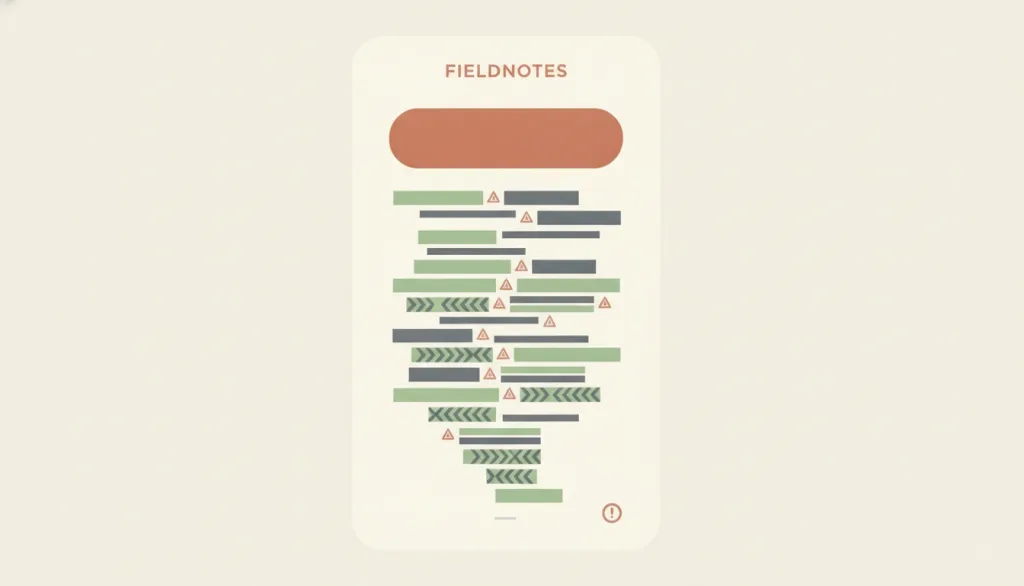
Deliberately place obstacles or extra steps on the path to an action that should be available, especially cancelling, unsubscribing, deleting an account, or declining, making it far harder than the corresponding entry action.
Why it is in this edition: Obstacles on cancellation and unsubscribe paths remained a documented subject of regulation and taxonomy around 2026.
Not to be confused with: Different from hidden costs: the mechanism here is making the exit or completion path laborious, not delaying fee disclosure. One reasonable confirmation for an irreversible action, or identity checks required by regulation or security, is not obstruction. The test is whether leaving is clearly harder than joining without a legitimate reason.
Manipulative Preselection
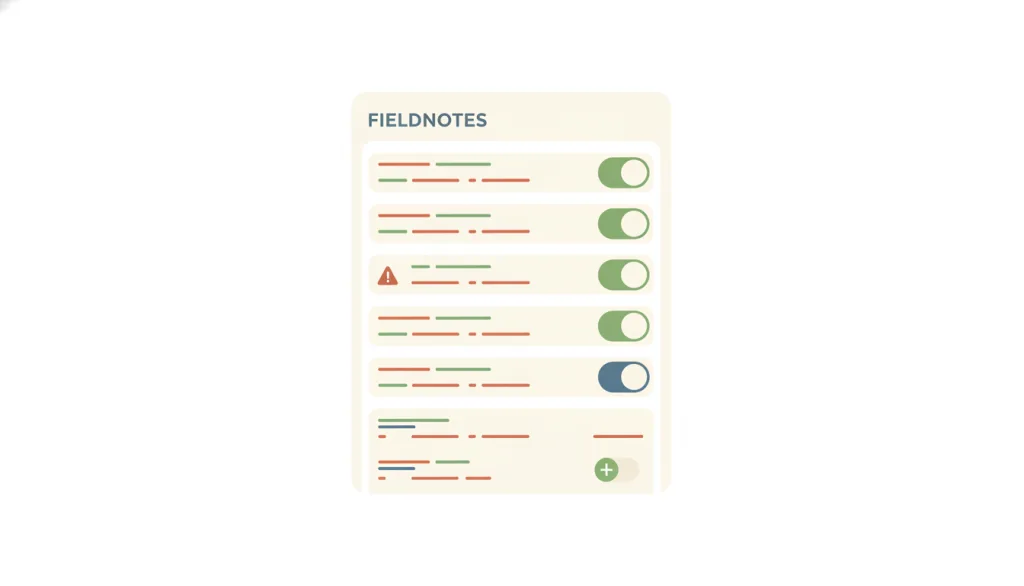
Set the option that benefits the business — a consent checkbox, an added extra, a pricier tier — as the default, exploiting the tendency not to notice or not to bother changing a default, so that money, data, or consent transfers without an active choice.
Why it is in this edition: Pressure through defaults continued to be documented in consent and payment flows.
Not to be confused with: A default itself is a necessary and useful mechanism; the failure is a default that transfers money, data, or consent without an active choice. Different from confirmshaming: the pressure here comes from the default state itself, not from any belittling wording. Different from visual interference: visual interference relies on visual weight to make one option stand out; here the problem holds even with a perfectly neutral visual treatment, because the default has already made a business-favoring choice on the person's behalf.
Nagging
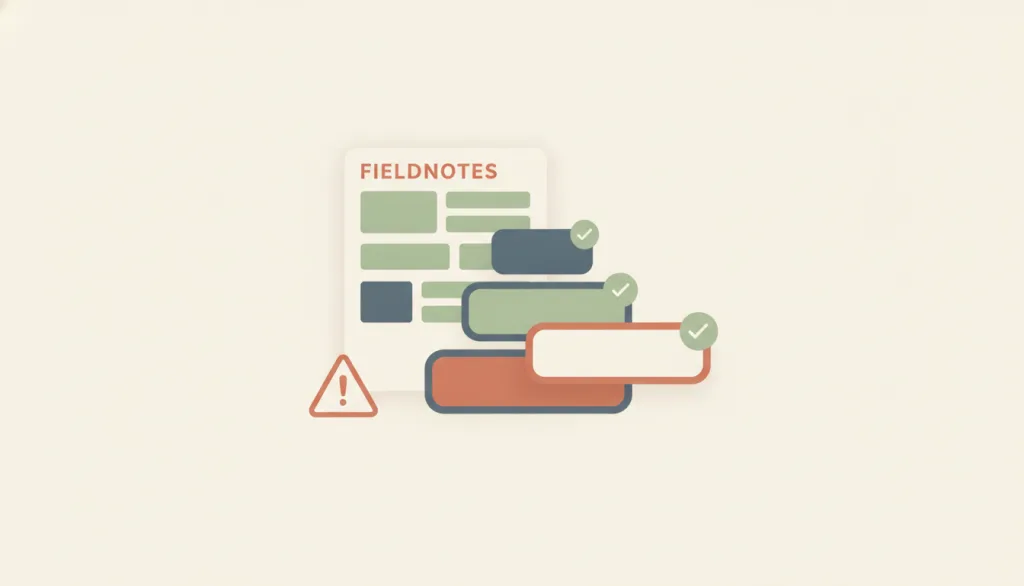
After a person has clearly declined a request, showing the same request again and again to wear down their attention and patience until they finally "agree" — rather than re-earning consent with one persuasive explanation.
Why it is in this edition: Repeated interruption in consent flows continued to be discussed in the annual context.
Not to be confused with: Different from confirmshaming: that entry is about emotionally loaded wording inside a single prompt at the moment of declining. This entry is about the same request reappearing over time, ignoring a decision already recorded. "Consent-fatigue induction" is merged into this entry as a variant — repeated consent or permission prompts that wear down willpower through repetition itself, not through wording in any one prompt. A single, well-timed reminder spaced out after a genuine change in relevance is not this pattern; the test is whether the product recorded and respected a prior "no."
Visual Interference
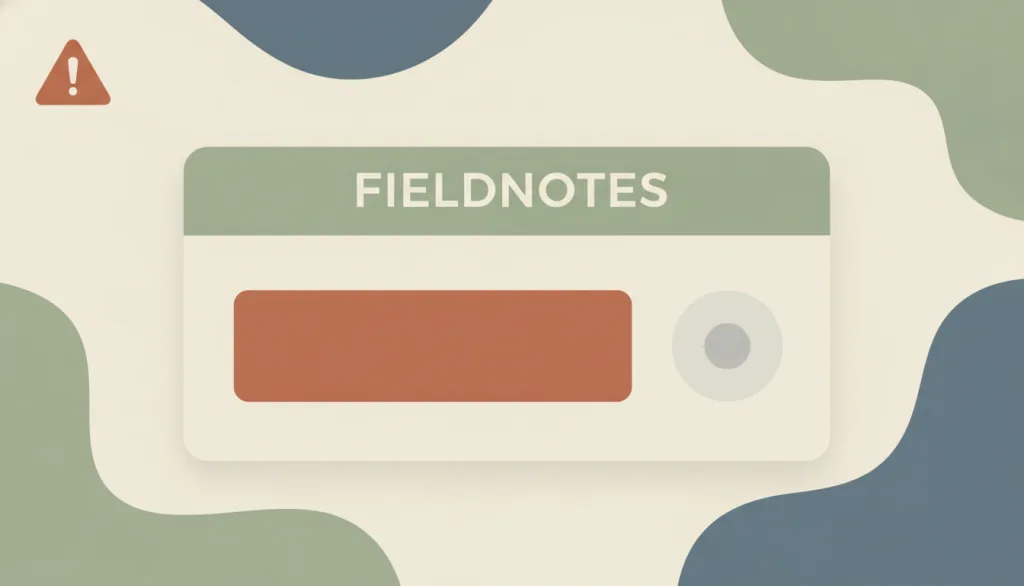
Use visual weight -- size, color, contrast, position, or whitespace -- to make the option that benefits the business stand out, while suppressing an equally valid alternative the person could otherwise choose, so the choice is made under an unequal presentation of information.
Why it is in this edition: Visual pressure continued to be documented in the annual context.
Not to be confused with: Visual hierarchy itself is a legitimate design tool for directing attention to what actually matters most; this entry targets only hierarchy used against the person's own interest to suppress an option that deserves equal attention, not hierarchy as such. It differs from confirmshaming: the mechanism here is visual design (size, color, contrast, position, whitespace), not belittling or pressuring wording; both tactics can appear in the same interface and should be logged separately.
False Urgency
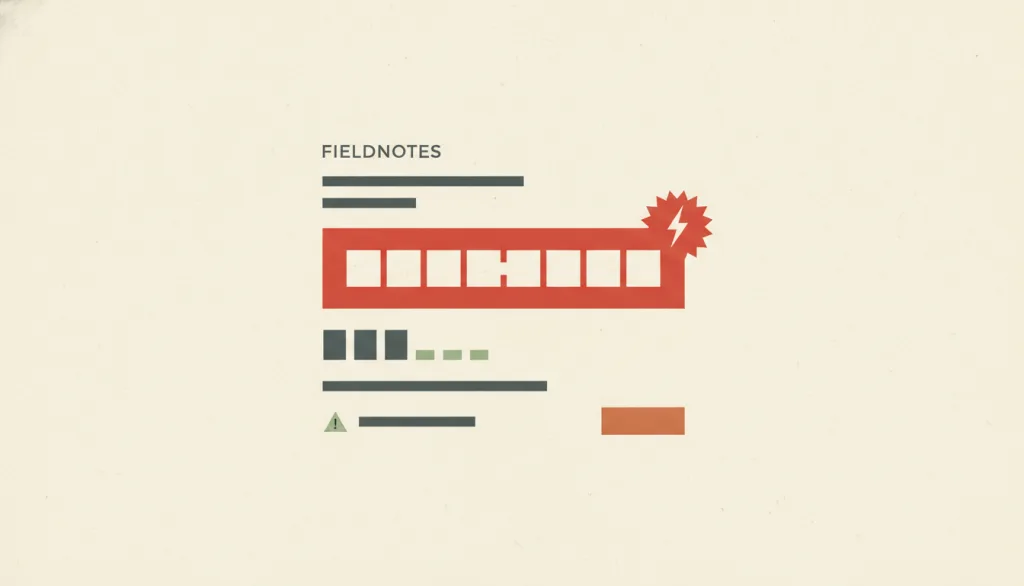
Present people with a time limit that does not really exist (a countdown that resets when it hits zero, an “offer ends soon” with no actual deadline), pressing them to rush through an action.
Why it is in this edition: Fabricated time limits continued to be documented in the annual context.
Not to be confused with: Different from confirmshaming: the mechanism here is fabricated time pressure, not emotional belittling of a choice. False scarcity (fabricated limited quantity, such as a fake “only 2 left”) is a neighbouring concept not yet recorded in this vocabulary; watch for it during audits but record it separately. A genuine, accurately stated deadline, with a specific date and time that really ends the offer, is not this anti-pattern.
How this pairs with the other edition
Against the classic foundation edition, this one is shorter. What is missing has not disappeared; this edition simply found no verifiable discussion of it around 2026.
Evidence scope
This list is not a ranking by frequency. Seat numbers are editorial positions; absence is not a clean bill of health, and presence is not a finding of illegality.