VOCABULARY / ENTRY
Manipulative Preselection
preselection
Set the option that benefits the business — a consent checkbox, an added extra, a pricier tier — as the default, exploiting the tendency not to notice or not to bother changing a default, so that money, data, or consent transfers without an active choice.
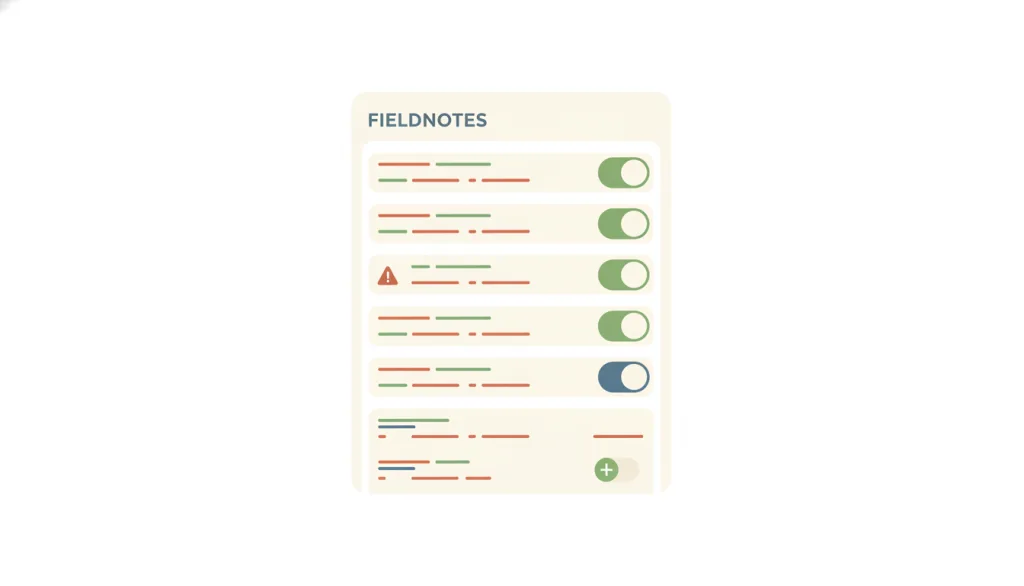
Recognizing it
- A consent checkbox, subscription upgrade, or data-sharing option is already ticked rather than left blank for the person to choose
- The default in a checkout or settings flow adds a pricier tier, an extra item, or more data sharing than the person has expressed a preference for, matching the business's interest rather than theirs
- The person must actively find and remove the default before they return to a state with no extra charge or data sharing
Concept boundary
A default itself is a necessary and useful mechanism; the failure is a default that transfers money, data, or consent without an active choice. Different from confirmshaming: the pressure here comes from the default state itself, not from any belittling wording. Different from visual interference: visual interference relies on visual weight to make one option stand out; here the problem holds even with a perfectly neutral visual treatment, because the default has already made a business-favoring choice on the person's behalf.
When to consider it
- Auditing the default state of consent checkboxes, subscription tier selection, or data-sharing toggles
- Auditing a checkout flow for add-ons, insurance, or a pricier tier that is added or selected by default
When to be cautious
- Recommending it as a way to raise conversion or average order value
- Flagging every use of a default as this anti-pattern — a default is a necessary mechanism; the problem is only whether it moves money, data, or consent without an active choice
Tradeoff
Repair by turning off any default that adds cost or shares data until the person actively opts in; consent must be completed through an explicit affirmative action rather than a pre-ticked box waiting to be noticed and unchecked; this adds one extra click or choice, but returns the decision to the person.
Conditional rules · Editorial advice
Related entries
Privacy by design requires the default to be the most protective reasonable option; manipulative preselection sets the default in the opposite direction, so the two directly conflict on which way the default should point.
Preselection decides what is chosen by default at entry; hidden subscription decides whether that later becomes clearly disclosed as recurring billing. The two mechanisms often appear together and should be logged separately.
Both influence free choice without outright coercion, but by different pressure mechanisms: one relies on the default state itself, the other on belittling decline wording; check them separately.
Sources and what they support
Defines preselection as presenting a default option already selected on the person's behalf to influence their decision, exploiting the default-effect bias, and cites a 2021 campaign donation page that used a pre-ticked checkbox to induce an extra donation.
Retrieved: 2026-09-15 · Archived 2026-09-16Article 4(11) defines consent as any freely given, specific, informed and unambiguous indication of the data subject's wishes given by a statement or by a clear affirmative action signifying agreement to processing; this supports the rule that consent must come from an active action.
Retrieved: 2026-09-15 · Archived 2026-09-16States plainly that silence, pre-ticked boxes, or inactivity should not constitute consent, and that consent should be given by a clear affirmative act such as ticking a box on a website; this supports the finding that a pre-ticked box is not valid consent.
Retrieved: 2026-09-15 · Snapshot unconfirmedDefinitions reference these sources. Digital specimens, selection advice, relationships, and recipes are editorial work and have not been validated through user research.
Type extensions and implementation notes
No operable specimen exists yet; the illustration is editorial. Before applying this to a product, verify whether the default option can actually be found and turned off easily, whether the disclosure appears at the exact point of choice, and the specific pre-ticking and consent-validity requirements of the relevant jurisdiction.
{
  "harm": "People end up carrying an extra charge, data share, or consent they never actively chose, often discovered only afterward",
  "repair": "Turn off any default that adds cost or shares data, complete consent through an explicit affirmative action, and state what each default does at the point of choice."
}
Full Agent entry JSON
{
  "id": "preselection",
  "type": "anti",
  "name": {
    "zh": "操纵性预选",
    "en": "Manipulative Preselection"
  },
  "aliases": [
    "预先勾选",
    "默认选中陷阱",
    "Pre-ticked Default"
  ],
  "granularity": "component",
  "intents": [
    "audit-choice",
    "protect-privacy"
  ],
  "tags": [
    "anti-pattern",
    "default settings",
    "pre-ticked",
    "informed consent",
    "privacy"
  ],
  "definition": "Set the option that benefits the business — a consent checkbox, an added extra, a pricier tier — as the default, exploiting the tendency not to notice or not to bother changing a default, so that money, data, or consent transfers without an active choice.",
  "boundary": "A default itself is a necessary and useful mechanism; the failure is a default that transfers money, data, or consent without an active choice. Different from confirmshaming: the pressure here comes from the default state itself, not from any belittling wording. Different from visual interference: visual interference relies on visual weight to make one option stand out; here the problem holds even with a perfectly neutral visual treatment, because the default has already made a business-favoring choice on the person's behalf.",
  "signature": [
    "A consent checkbox, subscription upgrade, or data-sharing option is already ticked rather than left blank for the person to choose",
    "The default in a checkout or settings flow adds a pricier tier, an extra item, or more data sharing than the person has expressed a preference for, matching the business's interest rather than theirs",
    "The person must actively find and remove the default before they return to a state with no extra charge or data sharing"
  ],
  "when": [
    "Auditing the default state of consent checkboxes, subscription tier selection, or data-sharing toggles",
    "Auditing a checkout flow for add-ons, insurance, or a pricier tier that is added or selected by default"
  ],
  "when_not": [
    "Recommending it as a way to raise conversion or average order value",
    "Flagging every use of a default as this anti-pattern — a default is a necessary mechanism; the problem is only whether it moves money, data, or consent without an active choice"
  ],
  "tradeoff": "Repair by turning off any default that adds cost or shares data until the person actively opts in; consent must be completed through an explicit affirmative action rather than a pre-ticked box waiting to be noticed and unchecked; this adds one extra click or choice, but returns the decision to the person.",
  "comparison": {
    "focus": "Whether the default state itself transfers money, data, or consent without an active choice",
    "mechanism": "Setting the business-favoring option as the default and relying on the default effect and inaction",
    "cost": "People carry a charge, data share, or consent they never actively chose, often discovered later in a bill or in how their data was used"
  },
  "sources": [
    {
      "id": "deceptive-preselection",
      "title": "Deceptive Patterns · Preselection",
      "url": "https://www.deceptive.design/types/preselection",
      "claim": "Defines preselection as presenting a default option already selected on the person's behalf to influence their decision, exploiting the default-effect bias, and cites a 2021 campaign donation page that used a pre-ticked checkbox to induce an extra donation.",
      "checkedAt": "2026-09-15",
      "archive": {
        "lookupUrl": "https://web.archive.org/web/20260915*/https://www.deceptive.design/types/preselection",
        "status": "available",
        "checkedAt": "2026-09-16T05:59:41.156Z",
        "jobId": "spn2-101f2f15d5d34388ba83619478dce48d6bdb9034",
        "url": "https://web.archive.org/web/20260916060004/https://deceptive.design/types/preselection/",
        "timestamp": "20260916060004"
      }
    },
    {
      "id": "gdpr-art-4-11",
      "title": "gdpr-info.eu · Art. 4 GDPR: Definitions (11) Consent",
      "url": "https://gdpr-info.eu/art-4-gdpr/",
      "claim": "Article 4(11) defines consent as any freely given, specific, informed and unambiguous indication of the data subject's wishes given by a statement or by a clear affirmative action signifying agreement to processing; this supports the rule that consent must come from an active action.",
      "checkedAt": "2026-09-15",
      "archive": {
        "lookupUrl": "https://web.archive.org/web/20260915*/https://gdpr-info.eu/art-4-gdpr/",
        "status": "available",
        "checkedAt": "2026-09-16T05:25:53.778Z",
        "jobId": "spn2-34fc4f6a34caf6ee071698524a9e62244ec0967b",
        "url": "https://web.archive.org/web/20260916052653/https://gdpr-info.eu/art-4-gdpr/",
        "timestamp": "20260916052653"
      }
    },
    {
      "id": "gdpr-recital-32",
      "title": "gdpr-info.eu · Recital 32: Conditions for consent",
      "url": "https://gdpr-info.eu/recitals/no-32/",
      "claim": "States plainly that silence, pre-ticked boxes, or inactivity should not constitute consent, and that consent should be given by a clear affirmative act such as ticking a box on a website; this supports the finding that a pre-ticked box is not valid consent.",
      "checkedAt": "2026-09-15",
      "archive": {
        "lookupUrl": "https://web.archive.org/web/20260915*/https://gdpr-info.eu/recitals/no-32/",
        "status": "pending",
        "checkedAt": "2026-09-16T05:59:43.186Z",
        "error": "status-request-failed",
        "jobId": "spn2-dc5e7158eeb04a7715be8d56b2ff2737d61f0244"
      }
    }
  ],
  "relations": [
    {
      "target": "privacy-by-design",
      "kind": "conflicts_when",
      "condition": "A default governing personal-data processing is set to collect more data rather than the minimum",
      "reason": "Privacy by design requires the default to be the most protective reasonable option; manipulative preselection sets the default in the opposite direction, so the two directly conflict on which way the default should point.",
      "basis": "editorial"
    },
    {
      "target": "hidden-subscription",
      "kind": "composes_with",
      "condition": "A pre-selected paid tier or add-on silently converts to ongoing billing after a trial",
      "reason": "Preselection decides what is chosen by default at entry; hidden subscription decides whether that later becomes clearly disclosed as recurring billing. The two mechanisms often appear together and should be logged separately.",
      "basis": "editorial"
    },
    {
      "target": "confirmshaming",
      "kind": "related",
      "condition": "Auditing whether a choice was informed and voluntary",
      "reason": "Both influence free choice without outright coercion, but by different pressure mechanisms: one relies on the default state itself, the other on belittling decline wording; check them separately.",
      "basis": "editorial"
    }
  ],
  "rules": [
    {
      "when": "Designing any data processing or charge that requires the person's consent",
      "instruction": "Consent must be completed through the person's explicit affirmative action; the option must not be pre-ticked.",
      "strength": "must",
      "basis": "editorial"
    },
    {
      "when": "A default option would add cost or share more data",
      "instruction": "That option must default to off until the person actively chooses to turn it on.",
      "strength": "must",
      "basis": "editorial"
    },
    {
      "when": "Presenting a default option at the point of choice",
      "instruction": "State plainly, right next to it, what the default actually does, including cost or data use.",
      "strength": "recommend",
      "basis": "editorial"
    }
  ],
  "anti": {
    "harm": "People end up carrying an extra charge, data share, or consent they never actively chose, often discovered only afterward",
    "repair": "Turn off any default that adds cost or shares data, complete consent through an explicit affirmative action, and state what each default does at the point of choice."
  },
  "demo": null,
  "version": "0.1.0",
  "editorialStatus": "drafted",
  "requirements": [],
  "demoCapabilities": [],
  "implementationNote": "No operable specimen exists yet; the illustration is editorial. Before applying this to a product, verify whether the default option can actually be found and turned off easily, whether the disclosure appears at the exact point of choice, and the specific pre-ticking and consent-validity requirements of the relevant jurisdiction.",
  "image": {
    "src": "/images/preselection.webp",
    "alt": "A fictional FIELDNOTES checkout page where several toggles in an option list are already switched on and one add-on line has been added by default to the summary block, with a small warning triangle beside the pre-ticked row."
  },
  "searchTerms": [
    "反模式",
    "默认设置",
    "预先勾选",
    "知情同意",
    "隐私"
  ]
}